
Breast Cancer Treatment in Ghaziabad: Diagnosis, Treatment Options & Comprehensive Care
Breast cancer is one of the most common cancers affecting women, and timely diagnosis and appropriate treatment can make an important difference in care outcomes. If you are looking for Breast Cancer Treatment in Ghaziabad, choosing a qualified oncology team that can evaluate the disease and recommend an appropriate treatment plan is an important step.
At Titiksha Oncology, patients can receive cancer consultation and guidance across different areas of oncology, including surgical oncology, medical oncology and radiation oncology. The treatment approach is planned according to the individual’s diagnosis, cancer stage, tumour characteristics, overall health and treatment requirements.
What Is Breast Cancer?
Breast cancer develops when abnormal cells in breast tissue grow uncontrollably. Breast cancer can occur in different forms, and the treatment approach can vary considerably from one patient to another.
A diagnosis does not automatically mean that every patient needs the same treatment. Doctors consider several factors, including the type and stage of cancer and certain tumour biomarkers, before recommending a treatment plan.
When Should You Consult a Breast Cancer Specialist?
Certain breast changes should be evaluated by a healthcare professional, particularly if they are new, persistent or unusual for you.
Possible warning signs can include:
- A new lump or thickening in the breast or underarm
- Change in the size or shape of the breast
- Changes in the appearance of the skin of the breast
- Changes in the nipple
- Unusual nipple discharge
- Persistent breast discomfort or other unexplained changes
Not every breast lump or change is cancer. However, persistent or suspicious changes should be medically evaluated rather than ignored.
The World Health Organization emphasizes timely diagnosis and referral for appropriate breast cancer care because delays can affect the opportunity for timely treatment.
Breast Cancer Diagnosis
The first step in breast cancer care is an appropriate evaluation. Depending on the symptoms and clinical findings, the doctor may recommend imaging and tissue testing.
Diagnostic evaluation may include:
Clinical Breast Examination
A doctor examines the breast and surrounding areas for lumps, swelling or other changes.
Mammography
Mammography is an important breast imaging technique used to evaluate suspicious breast changes and can also be used as part of breast cancer screening according to individual risk and medical advice.
Breast Ultrasound
Ultrasound may be recommended along with mammography to examine a breast lump or other abnormality.
Breast MRI
In selected situations, breast MRI may provide additional information about the breast and extent of disease.
Biopsy
When cancer is suspected, a biopsy may be performed to examine breast tissue under a microscope. Pathology helps confirm whether cancer is present and provides important information for treatment planning.
Additional testing may identify biomarkers such as estrogen receptor (ER), progesterone receptor (PR) and HER2, which can influence treatment decisions.
Breast Cancer Treatment in Ghaziabad
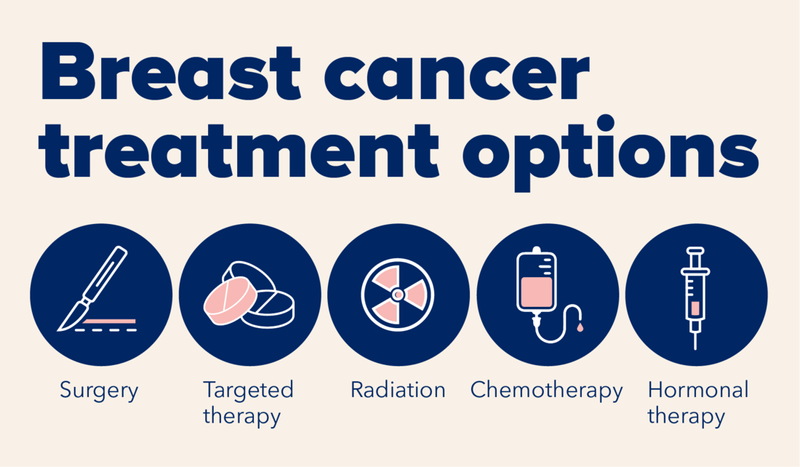
There is no single treatment that is appropriate for every breast cancer patient. Depending on the diagnosis, treatment may involve one or more approaches.
1. Breast Cancer Surgery
Surgery is an important treatment option for many patients with breast cancer.
Depending on the individual case, surgery may include:
- Breast-conserving surgery or lumpectomy
- Mastectomy
- Sentinel lymph node biopsy
- Other lymph-node procedures when medically indicated
- Breast reconstruction in appropriate cases
The choice between breast-conserving surgery and mastectomy depends on factors such as tumour characteristics, location, extent of disease and the patient’s individual circumstances.
2. Chemotherapy for Breast Cancer
Chemotherapy uses medicines to destroy cancer cells or stop them from growing. It may be recommended before surgery, after surgery or in other situations depending on the type and stage of breast cancer.
Importantly, chemotherapy is not required for every breast cancer patient. The decision is based on the individual’s clinical and pathological characteristics and the expected benefit of treatment.
3. Radiation Therapy
Radiation therapy uses high-energy radiation to destroy cancer cells in a specific area. It may be recommended after breast-conserving surgery and in selected patients following other treatments.
The requirement and type of radiation treatment depend on the patient’s diagnosis and treatment plan.
4. Hormone Therapy
Some breast cancers are hormone-receptor positive. In these cases, hormone therapy may be used to reduce the risk of cancer returning or to control disease.
The appropriate medicine depends on factors such as the patient’s tumour characteristics and menopausal status.
5. Targeted Therapy
Targeted treatments are designed to act on specific characteristics of cancer cells. For example, some HER2-positive breast cancers may be treated with HER2-directed therapies.
Targeted treatment is selected according to the patient’s tumour biomarkers and clinical situation.
6. Immunotherapy
Immunotherapy may be appropriate for certain breast cancer patients, including some people with triple-negative breast cancer. Whether it is suitable depends on the specific diagnosis and treatment plan.
Breast Cancer Treatment by Stage
Breast cancer treatment can differ depending on the stage of disease.
For some early-stage breast cancers, treatment may involve surgery followed by additional treatment such as radiation, chemotherapy, hormone therapy or targeted therapy when appropriate.
For locally advanced breast cancer, treatment may begin with systemic therapy before surgery, followed by surgery and radiation depending on the case.
For advanced or metastatic breast cancer, treatment generally focuses on controlling the disease, managing symptoms and maintaining quality of life. Different systemic treatments may be considered depending on tumour biology and previous treatment.
The National Cancer Institute notes that treatment decisions are influenced by factors including the stage of breast cancer, tumour characteristics, overall health and individual preferences.
Why Choose Titiksha Oncology for Breast Cancer Care in Ghaziabad?
Patients searching for a breast cancer specialist in Ghaziabad often need more than a consultation. They need clear information about diagnosis, treatment options and the next steps in their cancer journey.
Titiksha Oncology aims to provide coordinated cancer care with services including:
- Cancer consultation
- Surgical oncology consultation
- Medical oncology consultation
- Radiation oncology consultation
- Chemotherapy and systemic cancer treatment
- Immunotherapy and targeted therapy where medically appropriate
- Second-opinion consultation
- Psychological counselling
- Palliative care
- Home-care support
- Physiotherapy and cancer rehabilitation
- Diet and nutritional guidance
The right treatment plan should always be determined after a proper medical evaluation and review of the patient’s diagnostic reports.
When Should You Seek a Second Opinion?
A second opinion can be useful when you have recently received a cancer diagnosis or when you want another specialist’s perspective on the proposed treatment plan.
A second-opinion consultation may help you better understand:
- The type and stage of breast cancer
- Available treatment options
- Whether surgery is recommended
- Whether chemotherapy or radiation may be required
- Whether hormone or targeted therapy may be appropriate
- Possible treatment sequences
- Questions about your pathology or imaging reports
A second opinion should complement, not unnecessarily delay, appropriate medical care.
Frequently Asked Questions About Breast Cancer Treatment
What is the best treatment for breast cancer?
There is no single best treatment for every patient. Treatment depends on the type and stage of breast cancer, tumour biomarkers, overall health and other individual factors.
Is breast cancer curable?
Some breast cancers can be treated with curative intent, particularly when diagnosed at an earlier stage. The outlook varies according to the type, stage and biological characteristics of the cancer.
Does every breast cancer patient need chemotherapy?
No. Chemotherapy is not appropriate or necessary for every patient. The oncology team determines whether chemotherapy is likely to provide meaningful benefit.
Is surgery always required for breast cancer?
Surgery is an important treatment for many patients, but the appropriate approach depends on the type and extent of disease and the overall treatment plan.
Can breast cancer be treated without removing the breast?
In selected patients, breast-conserving surgery may be an option. Whether it is appropriate depends on the tumour and individual clinical circumstances.
When should I consult a breast cancer doctor?
If you notice a persistent breast lump, unusual breast or nipple changes, or another concerning symptom, consult a qualified healthcare professional for evaluation.
Conclusion
Finding the right Breast Cancer Treatment in Ghaziabad starts with timely evaluation and an individualized treatment plan. Breast cancer care may involve surgery, chemotherapy, radiation therapy, hormone therapy, targeted therapy or immunotherapy, depending on the patient’s diagnosis and tumour characteristics.
If you or a family member has been diagnosed with breast cancer, discuss the diagnosis and treatment options with a qualified oncology team. Early evaluation, appropriate treatment planning and coordinated supportive care can help patients make informed decisions throughout their treatment journey.
For breast cancer consultation and treatment guidance in Ghaziabad, contact Titiksha Oncology and discuss your case with the oncology team.







Add comment