
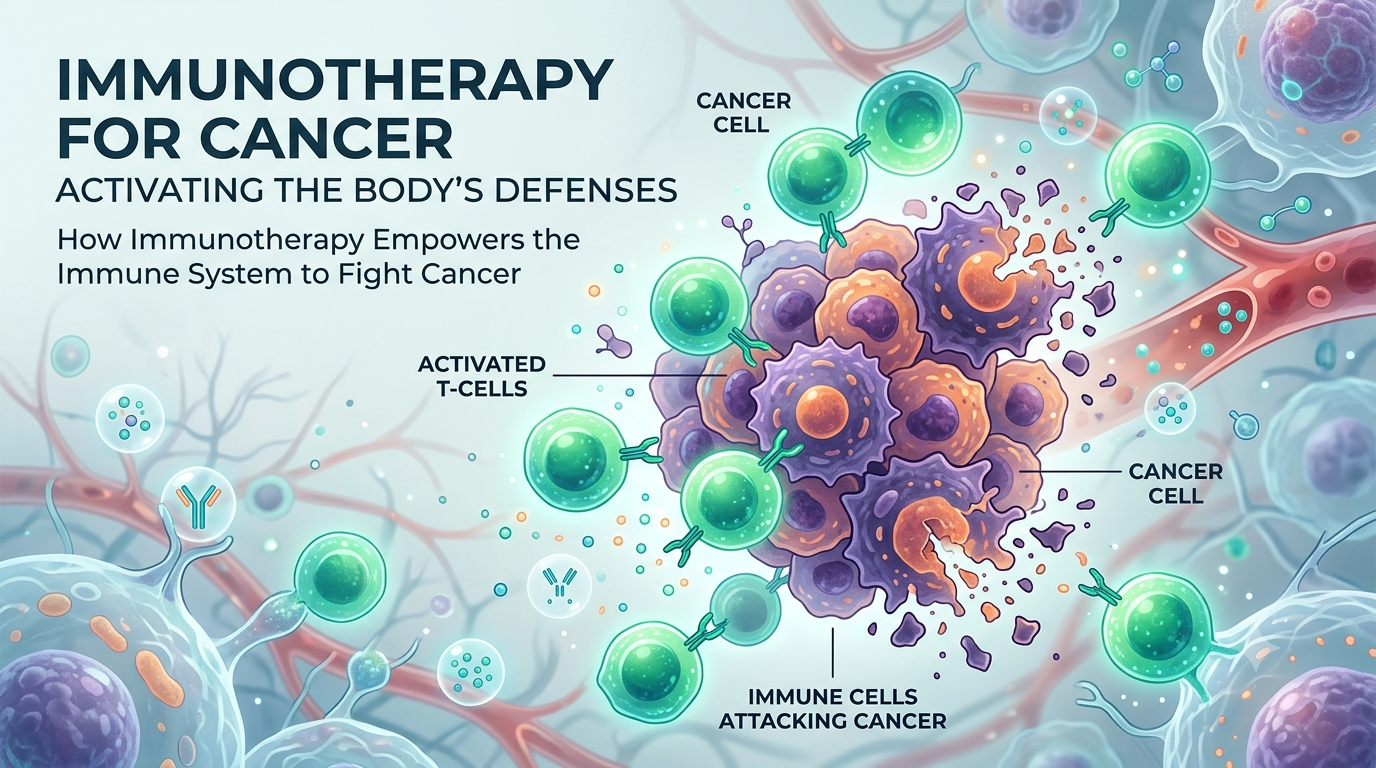
Immunotherapy for Cancer: Who May Benefit? A Complete Guide
Cancer treatment has advanced significantly in recent years, offering patients different options depending on the type and stage of cancer. One important development is immunotherapy for cancer, a treatment that helps the body’s immune system recognise and fight cancer cells.
For patients searching for immunotherapy treatment in Ghaziabad, understanding how this treatment works, which cancers may respond, and what factors influence treatment decisions can help them have more informed discussions with their oncologist.
At Titiksha Oncology, patients can seek oncology consultation and guidance regarding appropriate cancer treatment options. The suitability of immunotherapy depends on the patient’s diagnosis, cancer stage, tumour characteristics, previous treatments, and overall health.
What Is Immunotherapy for Cancer?
Immunotherapy is a type of cancer treatment that helps the immune system identify or attack cancer cells more effectively. Normally, the immune system protects the body against infections and abnormal cells. However, some cancer cells develop mechanisms that help them escape immune detection.
Certain immunotherapy medicines help overcome these mechanisms and strengthen the immune response against cancer.
Unlike chemotherapy, which generally targets rapidly dividing cells, some immunotherapy treatments work by changing how the immune system responds to cancer. The two treatments are different, although they may sometimes be used together.
Immunotherapy is not suitable for every patient or every type of cancer. An oncologist must evaluate the diagnosis and relevant test results before recommending it.
Types of Immunotherapy Used in Cancer Treatment
Different immunotherapy approaches work in different ways. The choice depends on the cancer type, available evidence, and the patient’s clinical condition.
1. Immune Checkpoint Inhibitors
Immune checkpoint inhibitors are among the most widely used forms of cancer immunotherapy. They block certain proteins that cancer cells may use to reduce immune activity.
Examples include medicines targeting PD-1, PD-L1, or CTLA-4. These treatments may be considered for selected patients with cancers such as lung cancer, melanoma, kidney cancer, bladder cancer, and certain other tumour types.
Whether a patient may benefit depends on the cancer diagnosis, treatment indication, biomarker results where relevant, and other medical factors.
2. CAR T-Cell Therapy
CAR T-cell therapy is a specialised treatment in which a patient’s T cells are modified to recognise particular cancer cells. The modified cells are then given back to the patient.
This approach is used for selected blood cancers, including certain leukaemias, lymphomas, and multiple myeloma, depending on the specific treatment and eligibility criteria.
CAR T-cell therapy requires specialist assessment and access to an appropriately equipped treatment centre.
3. Monoclonal Antibodies
Some monoclonal antibodies help the immune system recognise cancer cells or interfere with signals that allow cancer to grow. Certain antibodies are classified as immunotherapy, while others work through different mechanisms or combine multiple actions.
The choice of medicine depends on the cancer type and the treatment indication.
4. Cancer Vaccines and Other Immune-Based Treatments
Some therapeutic cancer vaccines and other immune-based treatments are designed to stimulate an immune response against particular cancer cells. Their availability and suitability vary according to the cancer and the specific treatment.
Preventive vaccines, such as vaccines against certain cancer-causing infections, are different from treatments used for an existing cancer.
Who May Benefit From Immunotherapy?
Immunotherapy may benefit selected patients whose cancers are known to respond to particular immune-based treatments. The decision is individualised and should be made by an oncology specialist.
The following factors may influence whether immunotherapy is appropriate.
1. Type of Cancer
Immunotherapy is used in the treatment of several cancers, including certain cases of:
- Non-small cell lung cancer
- Melanoma and other selected skin cancers
- Kidney cancer
- Bladder cancer
- Certain head and neck cancers
- Some breast cancers, including selected triple-negative breast cancers
- Certain lymphomas and other blood cancers
- Some colorectal and other gastrointestinal cancers
This list is not exhaustive. Immunotherapy is not recommended for every patient with these cancers, and the approved indications differ between medicines and cancer subtypes.
2. Biomarker and Molecular Test Results
Biomarker testing can help identify patients who may be more likely to respond to particular immunotherapy medicines.
Depending on the cancer, an oncologist may consider tests such as:
- PD-L1 expression: May help guide the use of certain immune checkpoint inhibitors.
- MSI-H or dMMR: Specific tumour characteristics that can predict benefit from certain immunotherapy treatments.
- Tumour mutational burden (TMB): May inform treatment decisions in selected clinical settings.
Not every patient needs all these tests. The appropriate tests depend on the cancer type, stage, proposed treatment, and current clinical guidelines.
3. Stage and Extent of Cancer
Immunotherapy may be used in different settings, including selected early-stage cancers, locally advanced disease, and metastatic cancer. In some cases, it is given after surgery or alongside other treatments; in others, it may be used when cancer has spread.
The stage of cancer alone does not determine whether immunotherapy is appropriate. The specific diagnosis and evidence supporting the treatment are also important.
4. Previous Cancer Treatment
An oncologist will consider whether the patient has already received chemotherapy, radiation therapy, surgery, targeted therapy, or immunotherapy.
For some patients, immunotherapy may be a first-line option. For others, it may be considered after another treatment has stopped working or caused unacceptable side effects.
5. Overall Health and Existing Medical Conditions
A patient’s general health, organ function, other medicines, and medical history can influence treatment decisions.
Certain autoimmune conditions, organ transplants, or medicines that suppress the immune system may require additional assessment because immunotherapy can sometimes cause serious immune-related complications.
What Are the Benefits of Immunotherapy?
For appropriately selected patients, immunotherapy may offer several potential benefits.
A targeted immune response: Some treatments help the immune system recognise cancer cells more effectively.
Long-lasting responses in some patients: Certain patients experience durable cancer control, although responses vary and cannot be guaranteed.
Use in combination with other treatments: Immunotherapy may be combined with chemotherapy, surgery, radiation therapy, or other medicines when supported by evidence for a particular cancer.
Treatment options for selected advanced cancers: Some immunotherapies can provide meaningful benefit in cancers that have spread or returned after previous treatment.
However, immunotherapy does not work for everyone. Some cancers do not respond, and others may initially respond before becoming resistant. Treatment decisions should balance expected benefits, potential risks, and available alternatives.
What Are the Side Effects of Immunotherapy?
Although immunotherapy can be effective, it may cause side effects. Some occur during treatment, while others may develop after treatment has finished.
Common or relatively frequent symptoms can include:
- Fatigue
- Skin rash or itching
- Diarrhoea
- Nausea
- Reduced appetite
A distinctive risk of some immunotherapies is that the activated immune system may attack healthy organs. This can cause inflammation affecting the lungs, bowel, liver, thyroid, adrenal glands, kidneys, or other organs.
Serious complications are possible, so patients should promptly report new or worsening symptoms to their treating team. Severe breathlessness, significant abdominal pain, persistent diarrhoea, confusion, or other severe symptoms require urgent medical assessment.
Patients should not stop prescribed treatment or attempt to manage potentially serious side effects without medical advice.
Where Can You Seek Immunotherapy Treatment Guidance in Ghaziabad?
If you are searching for immunotherapy treatment in Ghaziabad, consulting an experienced oncology team can help you understand whether this treatment is appropriate for your condition.
At Titiksha Oncology, patients can seek oncology consultation, medical report review, treatment guidance, and discussion of available cancer care options. The recommended plan depends on an individual assessment, and any specialised treatment may require referral to an appropriately equipped centre.
Before starting immunotherapy, ask your oncologist:
- Is immunotherapy suitable for my specific cancer?
- Do I need biomarker or molecular testing?
- What benefits can reasonably be expected?
- What are the possible side effects and warning signs?
- Could chemotherapy, targeted therapy, radiation, surgery, or a combination be more appropriate?
- How will my response to treatment be monitored?
These questions can help patients and families participate more confidently in treatment decisions.
Frequently Asked Questions About Immunotherapy for Cancer
1. Is immunotherapy suitable for every cancer patient?
No. Immunotherapy is effective for selected cancers and clinical situations. The cancer type, stage, biomarkers where relevant, previous treatments, and general health all influence eligibility.
2. Can immunotherapy cure cancer?
Some patients achieve long-lasting remission, and immunotherapy can be potentially curative in certain clinical settings. However, it does not cure every cancer, and the outcome depends on the individual diagnosis and treatment response.
3. Is immunotherapy better than chemotherapy?
Neither treatment is always better. Some patients benefit from immunotherapy, some from chemotherapy, and others from a combination. The choice depends on the type and stage of cancer and the available clinical evidence.
4. How long does immunotherapy treatment last?
The duration varies by medicine, cancer type, treatment setting, response, and side effects. Some treatment plans last several months, while others may continue longer. The treating oncologist determines the appropriate schedule.
5. Does immunotherapy have serious side effects?
Yes, it can. Some side effects are mild, while immune-related inflammation can occasionally become serious or life-threatening. Prompt reporting of new symptoms and regular medical monitoring are important.
6. How can I find an immunotherapy specialist in Ghaziabad?
Consult a qualified oncologist who can assess your diagnosis, review relevant reports, and determine whether immunotherapy is appropriate. Ask about the specialist’s experience with your cancer type and whether referral to a specialised treatment centre is needed.
Conclusion
Immunotherapy has become an important option in modern cancer care, offering potential benefits for selected patients with particular cancer types. However, its effectiveness and safety depend on the diagnosis, tumour characteristics, overall health, and treatment plan.
If you or a family member has been diagnosed with cancer, seek advice from a qualified oncology specialist to understand the available treatment options.
Titiksha Oncology provides oncology consultation and cancer care guidance for patients seeking to understand their diagnosis and treatment choices in Ghaziabad.
Visit https://titikshaoncology.com/ to learn more or enquire about a consultation.








2 comments
Pingback:
Cancer Care in Indirapuram, Ghaziabad | Patient GuidePingback:
Oncology Specialist in Ghaziabad | Cancer Treatment | Titiksha Oncology