

Blood Cancer Treatment in Ghaziabad: Symptoms, Types, Diagnosis and Treatment
A diagnosis of blood cancer can be overwhelming for patients and their families. However, advances in cancer diagnosis and treatment have provided several effective treatment options for different types of blood cancer. Early evaluation, accurate diagnosis and an individualized treatment plan are important for achieving the best possible outcome.
At Titiksha Oncology, patients can receive comprehensive cancer care with treatment planned according to the type of cancer, stage, overall health and individual medical requirements.
What Is Blood Cancer?
Blood cancer, also called hematologic cancer, is a group of cancers that can begin in blood-forming tissues such as the bone marrow or in cells of the immune system. The major types include leukemia, lymphoma and multiple myeloma.
Unlike many solid tumours, blood cancers can affect blood cells, bone marrow and the lymphatic system. Different blood cancers behave differently, which is why diagnosis and treatment need to be tailored to the individual patient.
Types of Blood Cancer
The three major categories of blood cancer include:
1. Leukemia
Leukemia is a cancer of blood-forming tissues and blood cells. Different types of leukemia can develop and may progress at different rates. They include acute and chronic forms such as acute lymphoblastic leukemia (ALL), acute myeloid leukemia (AML), chronic lymphocytic leukemia (CLL) and chronic myeloid leukemia (CML).
2. Lymphoma
Lymphoma develops in cells of the lymphatic system. The two broad categories are Hodgkin lymphoma and non-Hodgkin lymphoma. Treatment and prognosis depend on the specific type and other characteristics of the disease.
3. Multiple Myeloma
Multiple myeloma is a cancer involving abnormal plasma cells, which normally help the immune system produce antibodies. It primarily affects the bone marrow and may affect the bones and other organs.
What Are the Symptoms of Blood Cancer?
Symptoms can vary considerably depending on the type of blood cancer. Some commonly reported symptoms may include:
- Persistent or unexplained fatigue
- Frequent infections
- Fever or night sweats
- Unexplained weight loss
- Easy bruising or unusual bleeding
- Pale skin or symptoms related to anemia
- Swollen lymph nodes
- Bone or joint pain
- Weakness
- Breathlessness
- Repeated infections
These symptoms do not necessarily mean that a person has cancer. Many other medical conditions can cause similar symptoms. However, symptoms that persist or worsen should be evaluated by a qualified doctor.
How Is Blood Cancer Diagnosed?
There is no single test that can diagnose every type of cancer. Depending on the suspected blood cancer, doctors may recommend blood tests, imaging studies, bone marrow examination, biopsy and specialized laboratory tests.
A complete blood count (CBC) can provide important information about red blood cells, white blood cells and platelets and may help doctors investigate conditions including leukemia. Additional tests such as immunophenotyping and cytogenetic testing may help identify and characterize certain blood cancers.
The exact diagnostic approach depends on the symptoms and suspected type of blood cancer.
Blood Cancer Treatment In Ghaziabad
Treatment for blood cancer depends on the specific diagnosis, disease characteristics and the patient’s overall health.
Depending on the condition, treatment may include:
Chemotherapy
Chemotherapy uses medicines to destroy or control cancer cells. It may be used alone or in combination with other treatments.
Targeted Therapy
Targeted medicines are designed to act on specific features of cancer cells. They may be appropriate for certain types of leukemia, lymphoma and other blood cancers.
Immunotherapy
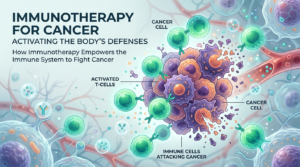
Immunotherapy helps the immune system recognize or attack cancer cells. It is used for selected blood cancers depending on the diagnosis and treatment plan.
Radiation Therapy
Radiation therapy uses high-energy radiation to treat cancer cells in specific areas. It may be recommended for selected types or situations involving lymphoma and other cancers.
Stem Cell Transplant
For certain blood cancers, high-dose treatment followed by a stem cell transplant may be considered. Whether this approach is appropriate depends on the type of cancer, disease status, patient fitness and other medical factors.
Supportive Care
Supportive treatment is also an important part of cancer care. It may help manage symptoms, treatment-related side effects and complications while supporting the patient’s quality of life.
Is Blood Cancer Curable?
The answer depends on the specific type of blood cancer and individual patient factors. Some blood cancers can be treated with the goal of achieving long-term remission or cure, while other conditions may require ongoing treatment and monitoring.
For example, Hodgkin lymphoma can often be cured, while the outlook for non-Hodgkin lymphoma varies according to its specific type.
Therefore, patients should avoid making conclusions based only on the term “blood cancer.” A cancer specialist can assess the diagnosis, test results and disease characteristics to explain the treatment options and expected outlook.
Why Choose Titiksha Oncology for Blood Cancer Care in Ghaziabad?
At Titiksha Oncology, cancer care focuses on understanding each patient’s diagnosis and developing an individualized treatment approach.
The team can help patients understand:
- The type and nature of their cancer
- Diagnostic reports and investigations
- Available treatment options
- Possible benefits and side effects of treatment
- The importance of follow-up and monitoring
- Supportive and palliative care when required
For patients and families in Ghaziabad and nearby areas, timely consultation with a cancer specialist can help ensure that diagnosis and treatment planning begin without unnecessary delay.
When Should You Consult a Cancer Specialist?
You should consider medical evaluation if you have persistent unexplained symptoms such as unusual bleeding or bruising, recurrent infections, prolonged fatigue, unexplained weight loss, persistent fever or swollen lymph nodes.
Remember that these symptoms can have many causes and do not automatically indicate blood cancer. Proper medical evaluation is necessary to determine the cause.
Get Expert Guidance for Blood Cancer Treatment in Ghaziabad
A blood cancer diagnosis can raise many questions about treatment, prognosis and the next steps. Getting an appropriate diagnosis and discussing the available treatment options with an experienced cancer specialist can help patients make informed decisions.
Titiksha Oncology provides comprehensive cancer care with an emphasis on personalized treatment, clear communication and supportive care for patients and their families.
If you or a family member has been diagnosed with blood cancer or has concerning symptoms, consult a qualified cancer specialist for appropriate evaluation and treatment guidance.







One comment
Pingback:
Medical Oncologist in Ghaziabad | Titiksha Oncology