

Cancer Second Opinion in Ghaziabad: When and Why Should You Consider It?
A cancer diagnosis can be overwhelming for patients and their families. After receiving a diagnosis, many people have questions about the type and stage of cancer, available treatment options, possible side effects, and the expected outcome of treatment.
In such situations, seeking a cancer second opinion in Ghaziabad can help you better understand your diagnosis and make informed decisions about your treatment.
A second opinion means consulting another qualified oncology specialist who reviews your medical history, pathology reports, scans, previous treatment records, and proposed treatment plan. It does not necessarily mean that the first diagnosis or treatment recommendation is incorrect. Instead, it provides an additional medical perspective.
What Is a Cancer Second Opinion?
A cancer second opinion is an independent evaluation of a cancer diagnosis or proposed treatment by another qualified oncologist or oncology team.
During a second-opinion consultation, the doctor may review:
- Biopsy and pathology reports
- Blood and laboratory investigations
- CT, MRI, PET-CT or other imaging
- Cancer stage and grade
- Previous medical records
- Proposed surgery or treatment
- Previous chemotherapy, radiation or other treatments
- Current medications and overall medical history
After reviewing these details, the oncologist can discuss the diagnosis and available treatment approaches with the patient.
Why Consider a Second Opinion for Cancer?
Cancer treatment can involve important and sometimes complex decisions. Getting another professional opinion may help patients understand their choices more clearly.
1. To Confirm the Diagnosis
A second oncology specialist can review the available reports and provide an independent assessment of the diagnosis.
For certain cancers, pathology and imaging findings can be complex. A specialist review may help clarify the diagnosis and cancer stage.
2. To Understand All Available Treatment Options
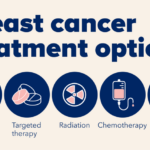
Depending on the type and stage of cancer, treatment may involve one or more approaches, such as:
- Surgery
- Chemotherapy
- Radiation therapy
- Immunotherapy
- Targeted therapy
- Hormonal therapy
- Supportive and palliative care
An oncology second opinion can help patients understand which options may be relevant to their individual situation.
3. Before Major Cancer Surgery
If major cancer surgery has been recommended, patients may want to discuss the proposed procedure with another surgical oncology specialist.
This can help them understand the purpose of surgery, possible alternatives, expected recovery and other aspects of the treatment plan.
4. When the Cancer Is Advanced or Complex
Some cancers require treatment from multiple specialists, including medical oncologists, radiation oncologists and surgical oncologists.
For complex cases, a second opinion may provide another perspective on how different treatment approaches could be combined.
5. When Treatment Is Not Working as Expected
If a patient is not responding to treatment as expected, consulting another oncologist may help review the previous diagnosis, treatment history and available options.
The specialist can assess the case and explain whether additional approaches should be discussed.
6. When You Are Unsure About the Recommended Treatment
Patients sometimes feel uncertain after receiving a cancer diagnosis or treatment recommendation.
A second opinion can help clarify:
- Why a particular treatment has been recommended
- What alternatives may exist
- Potential benefits and risks
- Expected treatment duration
- Possible side effects
- What follow-up may be required
What Are the Benefits of a Cancer Second Opinion?
A second opinion may provide several benefits to patients and families.
Greater Understanding
Talking to another oncology specialist can help explain complicated medical information in a clearer way.
Additional Perspective
A different specialist may provide another perspective on the diagnosis and treatment plan.
More Confidence in Treatment Decisions
If the second oncologist agrees with the initial recommendation, patients may feel more confident about proceeding with treatment.
Discussion of Alternative Approaches
In some cases, the second specialist may identify additional treatment options that are appropriate for consideration.
Better Understanding of the Treatment Journey
Patients can discuss what to expect before, during and after treatment, including follow-up and supportive care.
What Documents Should You Bring for a Second Opinion?
If you are planning a cancer second opinion in Ghaziabad, keep your medical records organized before your appointment.
Important documents may include:
- Biopsy or pathology reports
- CT/MRI/PET-CT reports
- Imaging scans or CDs
- Blood test reports
- Previous prescriptions
- Discharge summaries
- Surgery reports
- Previous chemotherapy or radiation records
- Current medication details
Providing complete medical information allows the oncologist to better understand your case.
Questions to Ask During an Oncology Second Opinion
Before your appointment, prepare a list of questions. You may want to ask:
- What type of cancer do I have?
- What is the current stage of my cancer?
- What treatment options are available?
- Is surgery required?
- Would chemotherapy or radiation therapy be recommended?
- Could immunotherapy or targeted therapy be considered?
- What are the potential benefits and side effects of treatment?
- How urgent is treatment?
- Are there alternative treatment approaches?
- What follow-up will be required after treatment?
Your oncologist can explain which options are appropriate based on your individual diagnosis and medical history.
Does a Second Opinion Mean the First Doctor Is Wrong?
No.
Getting a second opinion does not mean that the first doctor has made a mistake. In many cases, another oncologist may confirm the original diagnosis and treatment recommendation.
The purpose of a second opinion is to give patients more information and another professional perspective before making an important healthcare decision.
Cancer Second Opinion in Ghaziabad at Titiksha Oncology
Patients looking for a cancer second opinion in Ghaziabad can consult an experienced oncology team for evaluation of their diagnosis and proposed treatment plan.
At Titiksha Oncology, patients can discuss their cancer diagnosis, medical reports and treatment recommendations with oncology specialists. The consultation can help patients and families better understand their condition and the treatment options that may be appropriate for their individual case.
The oncology team may consider the patient’s medical history, pathology, imaging and previous treatment before discussing the next steps.
When Should You Seek a Cancer Second Opinion?
There is no universal rule about when a patient should seek a second opinion. However, it can be particularly useful:
- After a new cancer diagnosis
- Before major cancer surgery
- When treatment options are unclear
- When the cancer is advanced or complicated
- When treatment is not producing the expected response
- When you want another specialist’s perspective
- When you or your family have unanswered questions
Conclusion
A cancer second opinion in Ghaziabad can help patients better understand their diagnosis, treatment choices and next steps. It provides an additional medical perspective and may help patients feel more informed and confident when making treatment decisions.
If you or a family member has recently been diagnosed with cancer or is uncertain about a recommended treatment plan, consider discussing the case with a qualified oncology specialist.
Titiksha Oncology, A cancer treatment center in Ghaziabad, is committed to providing comprehensive oncology consultation and helping patients understand their cancer care options.







Add comment