
Best Radiotherapy Treatment in Ghaziabad: Types, Benefits and What to Expect
Radiotherapy, also known as radiation therapy, is an important cancer treatment that uses high-energy radiation to damage the DNA of cancer cells, helping to destroy them or slow their growth. It may be used alone or in combination with treatments such as surgery, chemotherapy, immunotherapy or targeted therapy, depending on the type and stage of cancer.
For patients looking for radiotherapy treatment in Ghaziabad, understanding the treatment process, available approaches and possible side effects can help them have a more informed discussion with their cancer specialist.
What Is Radiotherapy?
Radiotherapy uses carefully planned radiation to target cancer cells in a specific area of the body. The treatment is designed to deliver radiation to the tumour while limiting exposure to surrounding healthy tissues as much as possible.
Radiotherapy may be recommended with different goals. Depending on the individual case, it may be used to treat cancer, reduce the risk of cancer returning, control tumour growth or relieve symptoms caused by cancer.
Who May Need Radiotherapy?
Radiotherapy can be considered for many different types of cancer. Whether it is appropriate depends on factors such as:
- Type of cancer
- Stage of cancer
- Size and location of the tumour
- Overall health of the patient
- Previous cancer treatments
- Treatment goals
- Whether surgery, chemotherapy or other treatments are also planned
A cancer specialist or radiation oncologist evaluates these factors before recommending a treatment plan.
Types of Radiotherapy
Radiotherapy can be delivered in different ways depending on the cancer and treatment objective.
1. External Beam Radiation Therapy
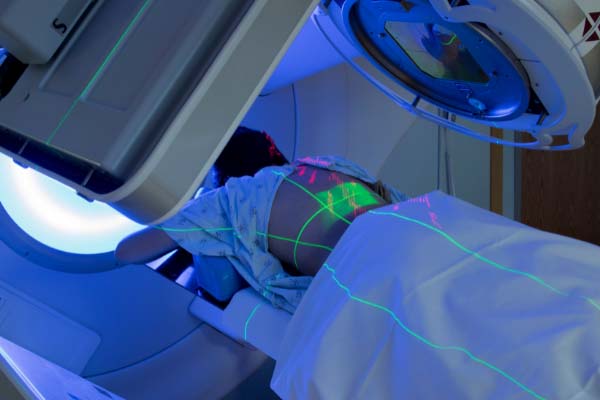
External beam radiation therapy uses a machine outside the body to deliver radiation to the area containing the cancer. It is a local treatment and can be carefully planned using imaging and computer-based treatment techniques.
2. Intensity-Modulated Radiation Therapy (IMRT)
IMRT is an advanced form of external beam radiation therapy. It uses multiple radiation beams with varying intensities to help shape the radiation dose around the tumour while helping to reduce exposure to nearby normal tissues.
3. Image-Guided Radiation Therapy (IGRT)
IGRT uses imaging during the treatment process to help improve the positioning and targeting of radiation. This can help doctors account for changes in tumour position or anatomy during treatment.
4. Stereotactic Radiation Therapy
Stereotactic techniques deliver highly focused radiation to selected tumours. Stereotactic radiosurgery may be used for certain small, well-defined tumours of the brain or central nervous system, while stereotactic body radiation therapy (SBRT) can be used for selected tumours elsewhere in the body.
5. Brachytherapy
Brachytherapy is a type of internal radiation therapy in which a radiation source is placed in or near the tumour. It may be used for certain cancers, including some cancers of the cervix, prostate, breast, head and neck, and eye.
What Are the Benefits of Radiotherapy?
The benefits of radiotherapy depend on the type and stage of cancer and the overall treatment plan. It may be used to:
- Destroy or control cancer cells
- Shrink a tumour
- Reduce the risk of cancer recurrence in selected situations
- Treat cancer in combination with surgery or systemic treatments
- Relieve certain cancer-related symptoms
Radiotherapy can also be used as palliative treatment to help relieve symptoms such as pain caused by cancer in certain circumstances.
What Happens During Radiotherapy Treatment?
Before treatment begins, the medical team evaluates the patient’s medical history, cancer diagnosis and imaging reports. Treatment planning may involve CT, MRI or PET imaging to determine the appropriate treatment area and radiation dose.
The number of treatment sessions varies from patient to patient. Some external beam radiation treatments are given once a day over several weeks, while other treatment schedules may involve fewer sessions depending on the cancer and treatment approach.
Your radiation oncologist will explain the recommended treatment schedule and what you can expect before treatment begins.
Possible Side Effects of Radiotherapy
Radiotherapy can affect healthy cells located near the treatment area, so side effects may occur. The effects vary depending on the part of the body being treated, radiation dose and other treatments received.
Some commonly reported side effects include:
- Fatigue
- Skin changes in the treated area
- Hair loss in the treatment area
- Nausea or vomiting in some patients
- Mouth or throat problems when treating certain areas
- Changes in bowel or bladder function depending on the treatment area
Not every patient experiences the same side effects. Your cancer care team can provide guidance on managing symptoms during and after treatment.
Choosing Radiotherapy Treatment in Ghaziabad
Choosing the appropriate cancer treatment is an individual decision. Patients should discuss their diagnosis, treatment goals, expected benefits, possible side effects and available treatment options with a qualified cancer specialist.
At Titiksha Oncology, patients can seek specialist guidance for cancer care and discuss whether radiation therapy may be appropriate as part of their overall treatment plan.
The treatment approach is determined according to the patient’s cancer type, stage, medical history, reports and individual needs rather than using the same treatment for every patient.
Why Choose Titiksha Oncology for Cancer Care?
Titiksha Oncology focuses on providing comprehensive cancer care with an emphasis on informed treatment planning and patient support.
Patients can discuss their diagnosis and treatment options with the oncology team and understand how different treatments—including radiotherapy, chemotherapy, immunotherapy, targeted therapy and surgery—may fit into an overall cancer treatment plan.
Frequently Asked Questions
Is radiotherapy the same as radiation therapy?
Yes. Radiotherapy and radiation therapy are commonly used terms for the same type of cancer treatment.
Is radiotherapy used for all types of cancer?
No. The suitability of radiotherapy depends on the type, stage, location and characteristics of the cancer, as well as the patient’s overall health and treatment plan.
How many radiotherapy sessions are required?
The number of sessions varies. It depends on the cancer type, treatment objective, radiation dose and treatment schedule. Your radiation oncologist will recommend the appropriate course for your individual case.
Does radiotherapy have side effects?
Radiotherapy can cause side effects, but they vary from person to person and depend largely on the treatment area and other factors. Fatigue and skin changes are among the commonly reported effects.
Can radiotherapy be combined with chemotherapy?
Yes. Depending on the cancer and treatment plan, radiotherapy may be used with chemotherapy or other cancer treatments. The timing and combination are determined by the oncology team.
Conclusion
If you are searching for the best radiotherapy treatment in Ghaziabad, it is important to focus not only on the technology available but also on an individualized treatment plan based on your diagnosis, cancer stage, treatment goals and overall health.
Radiotherapy is an established cancer treatment that can play an important role in controlling or treating cancer and, in selected situations, relieving cancer-related symptoms. A qualified oncology team can help you understand whether radiation therapy is appropriate for your condition and how it may fit into your overall cancer treatment plan.
For personalized guidance, consult the oncology team at Titiksha Oncology and discuss your cancer diagnosis and available treatment options.
Book a Consultation for Radiotherapy Treatment in Ghaziabad
If you are looking for the best radiotherapy treatment in Ghaziabad, the expert oncology team at Titiksha Oncology is here to support you every step of the way.
Schedule your consultation today and learn more about personalized cancer treatment options designed to help you move forward with confidence and hope.






Add comment