
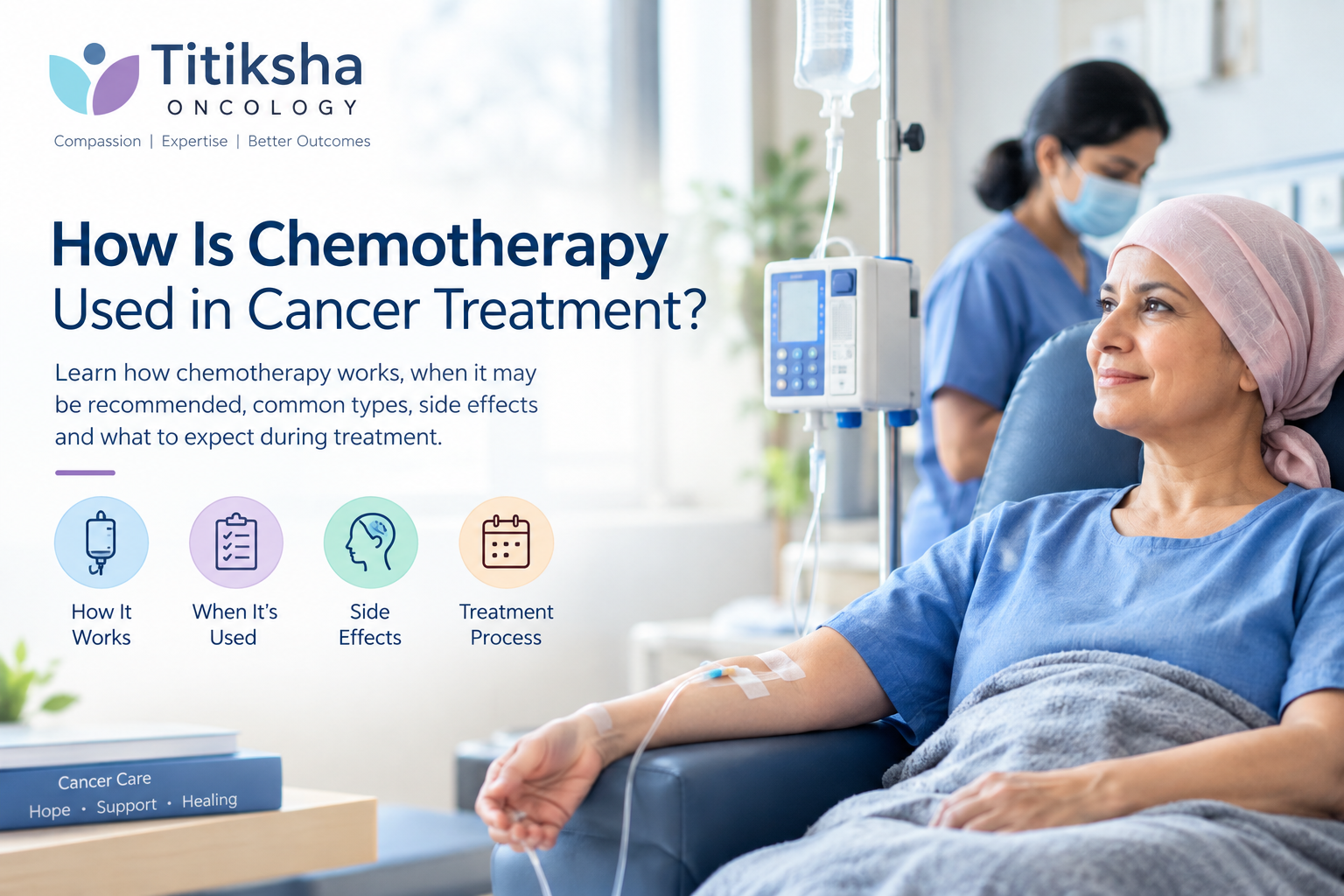
How Is Chemotherapy Used in Cancer Treatment?
Chemotherapy is one of the commonly used treatments for cancer. It uses medicines designed to destroy cancer cells, slow their growth, or prevent them from multiplying. Depending on the type and stage of cancer, chemotherapy may be used on its own or together with treatments such as surgery, radiation therapy, immunotherapy, or targeted therapy.
For patients looking for chemotherapy in Ghaziabad, understanding how chemotherapy works, when it may be recommended, and what to expect can help them have a more informed discussion with their oncologist.
What Is Chemotherapy?
Chemotherapy refers to medicines used to treat cancer by affecting rapidly dividing cells. Cancer cells often grow and divide more rapidly than many normal cells, making them susceptible to certain chemotherapy medicines.
The choice of chemotherapy depends on several factors, including:
- Type of cancer
- Stage and extent of the disease
- Location of the cancer
- Overall health of the patient
- Previous cancer treatments
- Treatment goals
An oncologist evaluates these factors before recommending an appropriate treatment plan.
How Is Chemotherapy Used in Cancer Treatment?
Chemotherapy can have different roles in cancer care. Its purpose depends on the individual patient’s condition and treatment plan.
1. Chemotherapy Before Surgery
Chemotherapy may sometimes be given before surgery. This is called neoadjuvant chemotherapy.
It may be used to reduce the size or extent of a tumour before an operation, potentially helping the surgical team plan the procedure.
2. Chemotherapy After Surgery
Chemotherapy may also be recommended after surgery. This is known as adjuvant chemotherapy.
The purpose may be to treat cancer cells that could remain in the body after the visible tumour has been removed and to reduce the risk of the cancer returning.
3. Chemotherapy With Radiation Therapy
In some cancers, chemotherapy and radiation therapy may be used together. This approach is called chemoradiation.
The medicines and radiation can work together in treating certain cancers. Whether this approach is appropriate depends on the cancer type, stage, and individual patient factors.
4. Chemotherapy for Advanced Cancer
For some advanced or metastatic cancers, chemotherapy may be used to control the disease, slow its progression, relieve symptoms, or improve quality of life.
The goals of treatment vary from one patient to another and should be discussed with the treating oncologist.
How Is Chemotherapy Given?
Chemotherapy can be administered in different ways depending on the medicine and cancer being treated.
Common methods include:
- Intravenous (IV) chemotherapy: Medicine is administered through a vein.
- Oral chemotherapy: Certain chemotherapy medicines are available as tablets or capsules.
- Other routes: Some medicines may be administered through specific routes depending on the cancer and treatment protocol.
Your oncology team will explain how your particular chemotherapy medicine will be administered.
What Is a Chemotherapy Cycle?
Chemotherapy is often given in cycles rather than continuously.
A cycle generally consists of a treatment period followed by a recovery period. The number and timing of cycles depend on the specific cancer, medicines being used, treatment goals, and how the patient’s body responds to treatment.
Your oncologist will create an individualized schedule based on your medical condition.
What Are Common Chemotherapy Side Effects?
Chemotherapy can affect some healthy cells as well as cancer cells. As a result, some patients experience side effects.
Possible side effects include:
- Tiredness or fatigue
- Nausea or vomiting
- Changes in appetite
- Hair loss with certain medicines
- Mouth sores
- Changes in blood cell counts
- Increased risk of infection
- Changes in bowel habits
- Skin or nail changes
Not everyone experiences the same side effects. Different chemotherapy medicines can cause different effects, and the severity can vary between patients.
Your oncology team can provide advice on managing side effects during treatment.
Is Chemotherapy the Same for Every Cancer Patient?
No. There is no single chemotherapy treatment that is suitable for every patient.
An oncologist considers the patient’s diagnosis, cancer stage, pathology or molecular information where relevant, previous treatment, general health, and treatment goals before developing a treatment plan.
This is why patients should not compare their chemotherapy schedule or medicines directly with another person’s treatment.
What Happens Before Chemotherapy?
Before starting treatment, the oncology team may review:
- Biopsy and pathology reports
- Imaging reports such as CT, MRI, or PET-CT when relevant
- Blood tests
- Medical history
- Previous treatments
- Other medicines being taken
- Overall health and nutritional status
The doctor may also explain the expected treatment schedule, possible side effects, precautions, and follow-up requirements.
How Can Patients Prepare for Chemotherapy?
Preparation depends on the treatment plan. Patients can ask their oncology team about:
- The medicines being prescribed
- Number and frequency of treatment sessions
- Possible side effects
- Medicines for controlling nausea or other symptoms
- Food and fluid intake during treatment
- Activities that may need to be modified
- When to contact the medical team
It can also be helpful to maintain a record of medicines, appointments, symptoms, and questions for the oncology team.
When Should You Contact Your Oncology Team?
During chemotherapy, patients should follow the specific instructions provided by their medical team. Certain symptoms may require prompt medical attention, particularly signs of infection, significant weakness, dehydration, or other unexpected symptoms.
Your oncology team should provide clear instructions about which symptoms require immediate contact.
Chemotherapy in Ghaziabad
Choosing an appropriate cancer treatment requires an individualized medical assessment. Chemotherapy in Ghaziabad may be recommended as part of a broader cancer treatment plan depending on the diagnosis and treatment goals.
At Titiksha Oncology, patients can discuss their diagnosis and treatment options with oncology specialists. Depending on the patient’s condition, cancer care may involve medical oncology, radiation oncology, surgical oncology, second opinions, supportive care, and other services.
If you or a family member has recently been diagnosed with cancer, consult an oncologist to understand the available treatment options and whether chemotherapy may be appropriate for your specific condition.
Frequently Asked Questions About Chemotherapy
Is chemotherapy used for all types of cancer?
No. The use of chemotherapy depends on the type, stage, characteristics of the cancer, and the patient’s individual circumstances.
How long does chemotherapy treatment take?
The duration varies. Some chemotherapy sessions may take several hours, while the overall treatment may involve multiple cycles over weeks or months.
Does chemotherapy always cause hair loss?
No. Hair loss depends on the particular chemotherapy medicines being used. Some medicines can cause hair loss, while others may have little or no effect on hair.
Can chemotherapy be combined with other cancer treatments?
Yes. Depending on the cancer, chemotherapy may be combined with surgery, radiation therapy, immunotherapy, or targeted therapy.
Does every patient experience chemotherapy side effects?
No. Side effects vary depending on the medicines, dosage, cancer type, and individual patient factors.
Should I get a second opinion before starting chemotherapy?
A second opinion can help some patients better understand their diagnosis and available treatment options. It may be particularly useful when there are multiple possible treatment approaches or when the diagnosis or treatment plan is complex.
Conclusion
Chemotherapy remains an important part of cancer treatment for many patients. It can be used before or after surgery, alongside radiation therapy, or as part of treatment for advanced cancer, depending on the individual situation.
The right treatment approach should always be determined after reviewing the patient’s diagnosis, reports, overall health, and treatment goals.
If you are searching for chemotherapy treatment in Ghaziabad, speak with an experienced oncology team to understand your diagnosis and the treatment options that may be appropriate for you.






One comment
Pingback:
Best Lung Cancer Specialist in Ghaziabad | Titiksha Oncology