

Best Lung Cancer Specialist in Ghaziabad: Diagnosis, Treatment & Expert Oncology Care
Lung cancer is a serious condition that requires timely diagnosis, accurate staging and an appropriately planned treatment approach. If you or a family member has been diagnosed with lung cancer, consulting an experienced lung cancer specialist in Ghaziabad can help you understand the diagnosis and available treatment options.
At Titiksha Oncology, patients can seek specialised oncology consultation and guidance for cancer diagnosis, treatment planning and follow-up care. The treatment approach is based on factors such as the type and stage of lung cancer, pathology and biomarker findings, overall health and the individual’s treatment needs.
What Is Lung Cancer?
Lung cancer develops when abnormal cells in the lung grow uncontrollably. The two major categories are non-small cell lung cancer (NSCLC) and small cell lung cancer (SCLC).
NSCLC includes several subtypes, including adenocarcinoma and squamous cell carcinoma. SCLC is a different type of lung cancer that generally has a different pattern of growth and treatment.
The type of lung cancer matters because treatment decisions depend on the cancer’s characteristics as well as its stage.
Why Choose a Lung Cancer Specialist in Ghaziabad?
Lung cancer treatment can involve several areas of oncology. A specialist can review the available reports, understand the pathology and imaging findings, determine the extent of disease and discuss appropriate treatment options.
Important factors may include:
- Type and subtype of lung cancer
- Stage of the disease
- Size and location of the tumour
- Lymph-node involvement
- Whether the cancer has spread to other organs
- Molecular or biomarker findings
- Overall health and other medical conditions
- Previous cancer treatment, if any
A personalised treatment plan is important because there is no single treatment that is appropriate for every person with lung cancer.
Common Symptoms of Lung Cancer
Lung cancer may sometimes be detected before noticeable symptoms develop. When symptoms occur, they can include:
- Persistent or worsening cough
- Shortness of breath
- Chest discomfort or pain
- Wheezing
- Coughing up blood
- Hoarseness
- Unexplained weight loss
- Loss of appetite
- Persistent tiredness
- Difficulty swallowing
These symptoms can also occur with conditions other than cancer. Therefore, having one or more of these symptoms does not by itself mean that a person has lung cancer. Persistent or concerning symptoms should be evaluated by an appropriate healthcare professional.
How Is Lung Cancer Diagnosed?
A lung cancer evaluation may involve several investigations. Depending on the individual’s symptoms and clinical findings, a doctor may recommend imaging and tissue testing.
1. Chest Imaging
A chest X-ray or CT scan may be used to examine the lungs and identify an abnormal area that requires further evaluation.
2. Biopsy
A biopsy involves obtaining a sample of tissue so that it can be examined by a pathologist. Tissue diagnosis is important for confirming lung cancer and identifying its type.
3. Pathology and Immunohistochemistry
Pathology helps determine the type of lung cancer. Additional laboratory testing, including immunohistochemistry, may help classify the tumour.
4. Molecular and Biomarker Testing
For some patients, particularly those with NSCLC, molecular testing can identify specific genetic changes that may influence treatment selection. Biomarker information can also help doctors determine whether certain targeted therapies or immunotherapies may be appropriate.
5. Staging Investigations
After lung cancer is confirmed, additional investigations may be required to determine whether it has spread and to establish its stage. Depending on the clinical situation, these can include PET-CT, MRI and other investigations.
Accurate staging is an important part of treatment planning.
Lung Cancer Treatment in Ghaziabad
The treatment recommended by a lung cancer oncologist in Ghaziabad depends on the type, stage and biological characteristics of the cancer.
Treatment may include one or more of the following:
Surgery
For selected patients with localised lung cancer, surgery may be considered to remove the tumour. Whether surgery is appropriate depends on factors such as tumour location, stage and the patient’s overall health and lung function.
Chemotherapy
Chemotherapy uses medicines to destroy or slow the growth of cancer cells. It may be used alone or together with other treatments depending on the type and stage of lung cancer.
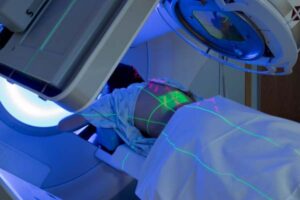
Radiation Therapy
Radiation therapy uses high-energy radiation to damage cancer cells. It may be used as part of treatment for selected early-stage, locally advanced or advanced lung cancer, depending on the clinical situation.
Targeted Therapy
Some lung cancers contain specific molecular changes that can be targeted with medicines. Biomarker testing can help identify patients who may benefit from particular targeted therapies.
Immunotherapy
Immunotherapy works by helping the immune system recognise and fight cancer. It may be appropriate for certain patients depending on the type of lung cancer, stage and biomarker findings.
Combination Treatment
In some situations, doctors may recommend a combination of treatments, such as chemotherapy with immunotherapy, chemotherapy with radiation, or surgery followed by additional treatment.
The appropriate combination depends on the individual patient’s diagnosis and treatment goals.
Why Lung Cancer Staging Is Important
Knowing the stage of lung cancer helps the oncology team understand how extensive the disease is and develop a treatment strategy.
For NSCLC, staging considers factors including the primary tumour, lymph nodes and whether the cancer has spread to distant parts of the body. For SCLC, doctors commonly describe disease as limited-stage or extensive-stage.
Therefore, treatment should not be selected solely on the basis of symptoms or the name of the cancer. A complete evaluation is important.
What Should You Bring to a Lung Cancer Consultation?
If you are visiting a lung cancer specialist in Ghaziabad, carrying previous medical records can make the consultation more useful.
Consider bringing:
- Biopsy or pathology report
- Immunohistochemistry report
- Molecular or biomarker testing reports
- CT/PET-CT/MRI reports and images
- Blood-test reports
- Previous treatment records
- List of current medicines
- Previous discharge summaries
- Details of any previous cancer treatment
If you are seeking a second opinion, pathology material and imaging studies may also be useful for review. The National Cancer Institute notes that a second opinion can involve reviewing pathology reports, slides and scans.
When Should You Consult a Lung Cancer Specialist?
You may consider an oncology consultation if:
- A scan has shown a suspicious lung lesion.
- A biopsy has confirmed lung cancer.
- You have recently received a lung cancer diagnosis and want to understand your treatment options.
- You need help understanding staging or pathology reports.
- Biomarker testing has been recommended.
- You have been advised to consider chemotherapy, immunotherapy or targeted therapy.
- You want a second opinion regarding a proposed treatment plan.
- Lung cancer has returned after previous treatment.
Early medical evaluation can help establish the diagnosis and determine appropriate next steps.
Lung Cancer Risk Factors
Smoking and tobacco exposure are important risk factors for lung cancer. Other factors can also contribute, including exposure to certain cancer-causing substances and air pollution.
However, lung cancer can also occur in people who have never smoked. Therefore, persistent or concerning respiratory symptoms should not automatically be attributed to smoking history or other common conditions.
Personalised Lung Cancer Care at Titiksha Oncology
At Titiksha Oncology, the focus is on helping patients understand their diagnosis and available cancer treatment options through specialist oncology consultation.
A lung cancer treatment plan may involve reviewing:
- Pathology and biopsy findings
- Imaging and staging reports
- Molecular and biomarker results
- Previous treatments
- Overall health
- Treatment goals and individual circumstances
The aim is to provide clear medical guidance and help patients understand the next steps in their cancer care journey.
Frequently Asked Questions About Lung Cancer
Who is a lung cancer specialist?
A lung cancer specialist is an oncology professional who evaluates and manages patients with lung cancer. Depending on the patient’s needs, care may involve medical oncology, radiation oncology, surgical oncology and other specialists.
What is the best treatment for lung cancer?
There is no single treatment that is best for every patient. Treatment depends on the cancer type, stage, biomarkers, overall health and other clinical factors. Options may include surgery, chemotherapy, radiation therapy, targeted therapy and immunotherapy.
Is lung cancer treatable?
Lung cancer treatment and outcomes vary significantly according to the type, stage and characteristics of the cancer. Some localised lung cancers can potentially be treated with curative intent, while advanced disease may require treatment aimed at controlling the cancer and managing symptoms.
Is a second opinion useful for lung cancer?
A second opinion may help confirm the diagnosis and treatment plan or provide additional information about available treatment options. It can involve reviewing pathology reports, tissue slides and imaging studies.
Does every lung cancer patient need chemotherapy?
No. Treatment varies according to the type and stage of lung cancer and other individual factors. Some patients may receive surgery, radiation therapy, targeted therapy, immunotherapy, chemotherapy or a combination of treatments.
Can non-smokers develop lung cancer?
Yes. Although tobacco exposure is a major risk factor, lung cancer can also occur in people who have never smoked. Certain molecular characteristics and other environmental or occupational exposures can be relevant.
Consult a Lung Cancer Specialist in Ghaziabad
A lung cancer diagnosis can raise many questions about tests, staging, treatment and the next steps. Consulting an oncology specialist can help you understand your reports and discuss treatment options appropriate to your individual condition.
If you are looking for a lung cancer specialist in Ghaziabad, Titiksha Oncology provides specialist cancer consultation and treatment guidance for patients and families.






Add comment